“Should I get a rail pass for Hokkaido, or rent a car?”
It’s the single most common planning question — and after 20 days and 7 cities in April 2026 using both, my answer is clear: trains between cities, a car for everything outside them.
The pass paid for itself. But I also made a mistake that cost ¥58,620 in train fares I didn’t need to pay, and I’ll show you exactly how to avoid it.
- What you’ll get from this guide
- The short answer
- Does the rail pass pay for itself?
- The mistake I made: three trains outside the pass window
- Where you actually need a car
- Driving in Hokkaido as a visitor: what to arrange first
- My full transport bill (20 days, two people)
- Pick the pattern that matches your trip
- FAQ
- Conclusion: use both — and cluster the train days
What you’ll get from this guide
- Whether a 7-day JR pass pays for itself (priced leg by leg against normal fares)
- The mistake I made with the pass window — and how to plan around it
- The hidden costs of driving, and what actually went wrong with a rental
- My complete transport spending for 20 days (¥217,400 for two)
- What overseas drivers must arrange before arriving
The short answer
| Situation | Best option | Why |
|---|---|---|
| City to city — Sapporo ⇔ Asahikawa, Wakkanai, Hakodate | Rail pass | Unlimited limited-express travel; the longer the leg, the better the value |
| Countryside — Furano/Biei, Asahidake, Cape Soya | Car | Trains and buses simply don’t reach or don’t run often enough |
| Short hops — around Sapporo, Otaru | JR (covered by the pass) or walking | Subway and local trains are plenty |
In Hokkaido the question isn’t “which one.” Using both, region by region, is the cheapest and fastest way to travel — as long as you cluster your long train rides inside the pass window.
Does the rail pass pay for itself?
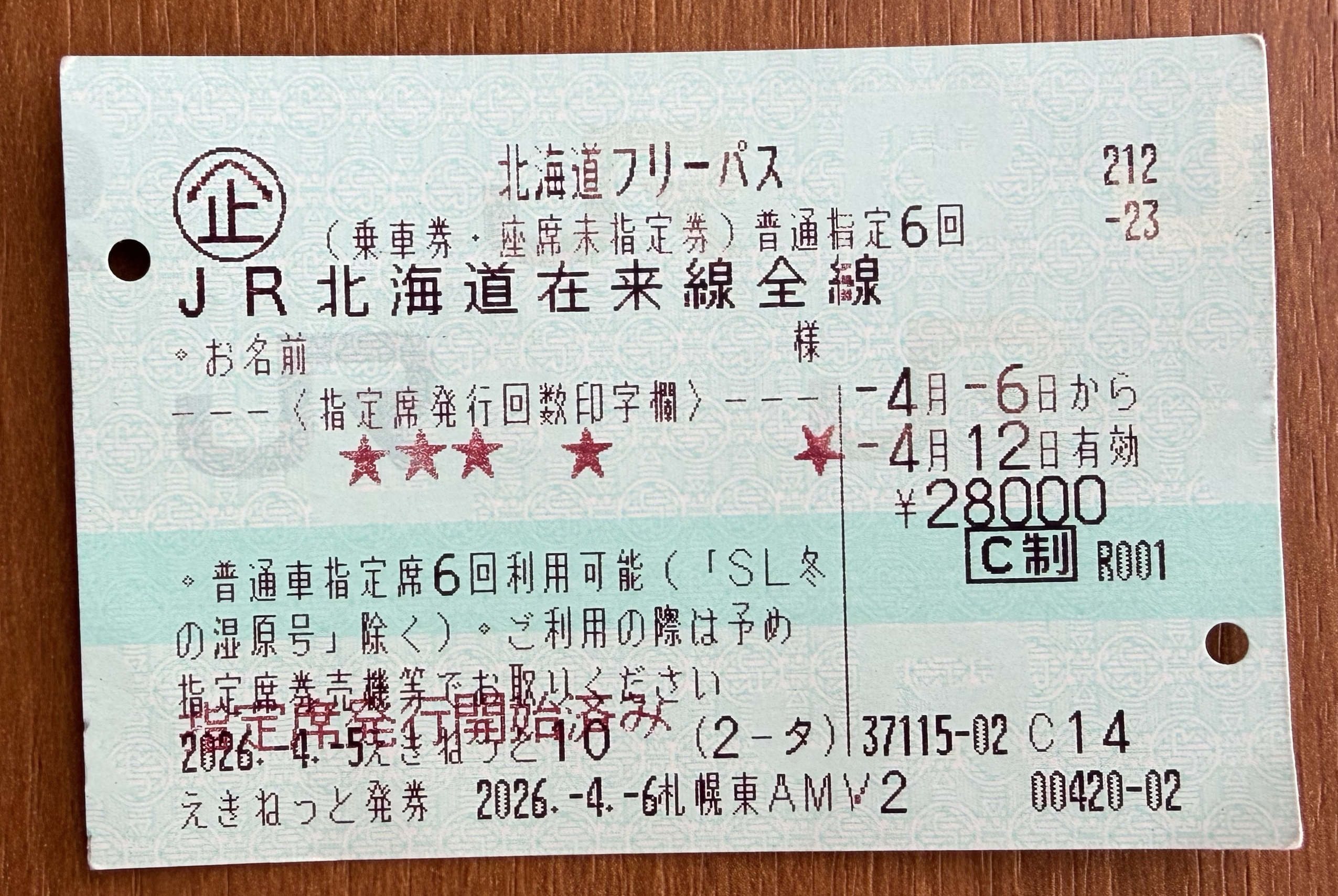
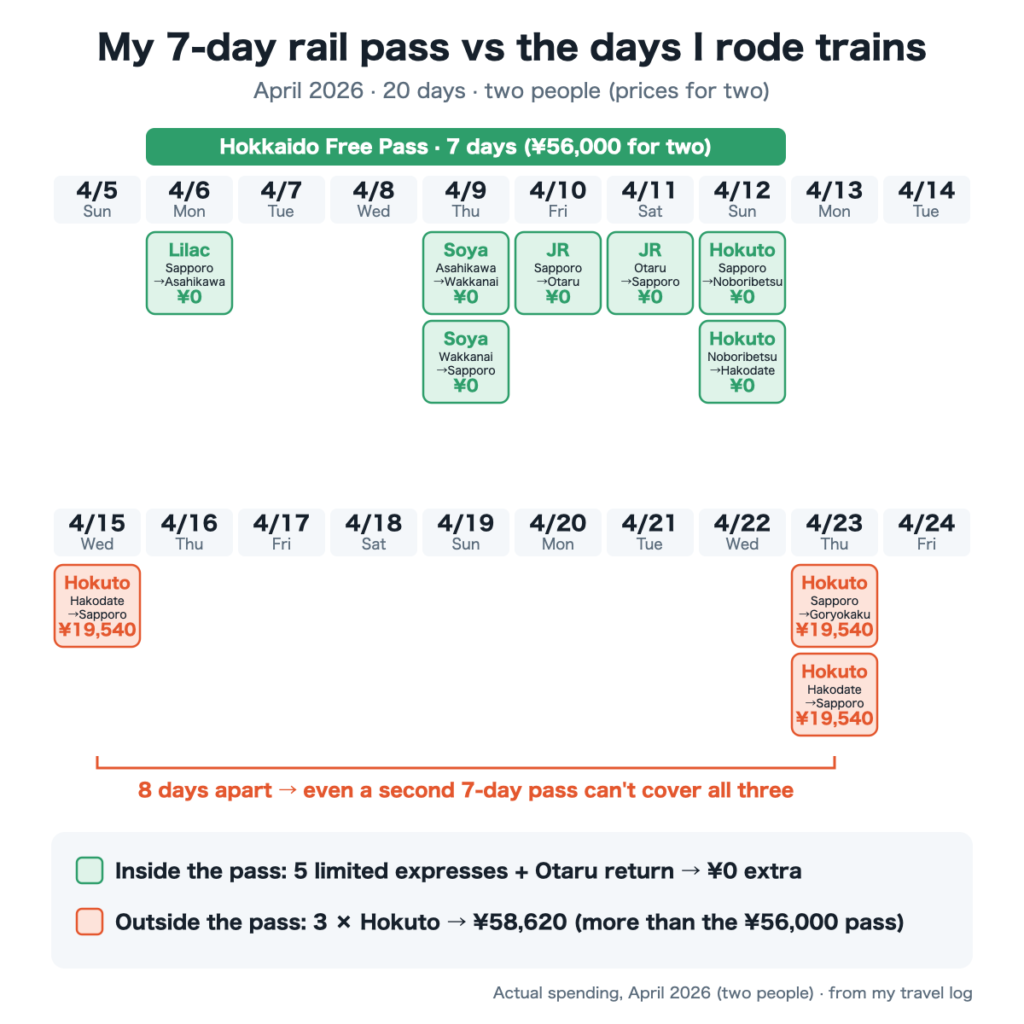
I used the Hokkaido Free Pass — JR Hokkaido’s 7-day unlimited-ride ticket, ¥56,000 for the two of us (¥28,000 each). The pass ran from 6 to 12 April, and in that week I took five limited expresses plus a JR return trip to Otaru.
Every train I took on the pass — and what it would have cost without it
| Date | Route | Train | Normal fare (per person, one way) |
|---|---|---|---|
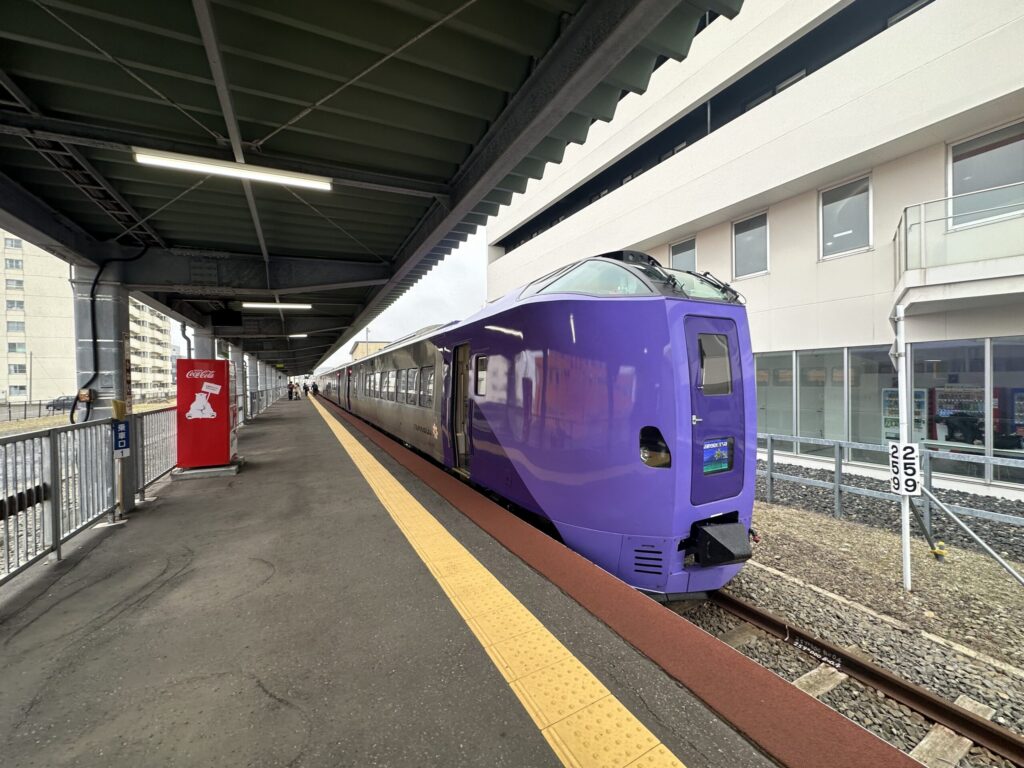
| 6 Apr | Sapporo → Asahikawa | Ltd. Exp. Lilac | ¥5,440 |
| 9 Apr | Asahikawa → Wakkanai | Ltd. Exp. Soya | ¥9,220 |
| 9 Apr | Wakkanai → Sapporo | Ltd. Exp. Soya (about 5 hours) | ¥11,420 |
| 10–11 Apr | Sapporo ⇔ Otaru (return) | JR | ¥1,600 |
| 12 Apr | Sapporo → Noboribetsu | Ltd. Exp. Hokuto | ¥4,890 |
| 12 Apr | Noboribetsu → Hakodate | Ltd. Exp. Hokuto | ¥7,790 |
| Total (per person) | ¥40,360 |
Normal fare = base ticket + limited express reserved-seat surcharge, regular season, at September 2026 prices.
¥40,360 of travel for a ¥28,000 pass: ¥12,360 saved per person, ¥24,720 for the two of us. It paid for itself comfortably.
The Wakkanai legs did most of the work: those two trains alone were ¥20,640 per person — more than 70% of the pass price.
For overseas visitors: which pass?
If you hold a non-Japanese passport, JR Hokkaido also sells the JR HOKKAIDO RAIL PASS. Its 7-day price is now ¥28,000 bought in advance, ¥29,000 in Japan — the same as the domestic Hokkaido Free Pass I used (¥28,000 online via Ekinet, ¥29,000 at the counter). There are also 5-day (¥22,000) and 10-day (¥37,000) versions and cheaper 4-day area passes (Sapporo–Noboribetsu, Sapporo–Furano). The Hokkaido Shinkansen is not included.
Prices are revised periodically, so confirm the current fare and conditions before you book:
- JR HOKKAIDO RAIL PASS — official site (prices above as of September 2026)
Two conditions of the domestic Hokkaido Free Pass worth knowing: reserved seats are capped at 6 per pass, and it can’t be used from 27 Apr–6 May, 10–19 Aug or 28 Dec–6 Jan — Japan’s three big domestic travel weeks.
A pass suits you if you…
- Use Sapporo as a base and tour several cities
- Ride long-distance limited expresses to Wakkanai or Hakodate
- Don’t drive, or don’t want to drive in Japan
A pass probably isn’t for you if you…
- Mainly want Furano and Biei — most of the sights are far from stations, so you’ll end up driving anyway
- Only visit Sapporo and Otaru — Sapporo ⇔ Otaru is ¥800 each way on JR; the pass never earns its keep
- Can only travel during those blackout weeks (domestic pass)
- Prefer to stay put — one base with day trips is often cheaper on individual tickets
The mistake I made: three trains outside the pass window
The pass paid for itself — but my itinerary had an expensive flaw I only noticed afterwards.
¥58,620 of limited expresses after the pass ran out
| Date | Route | Train | Paid (two people) |
|---|---|---|---|
| 15 Apr | Hakodate → Sapporo | Hokuto 13 | ¥19,540 |
| 23 Apr | Sapporo → Goryokaku | Hokuto 8 | ¥19,540 |
| 23 Apr | Hakodate → Sapporo | Hokuto 21 | ¥19,540 |
| Total | ¥58,620 |
Those three trains alone cost more than the ¥56,000 pass.
Sapporo ⇔ Hakodate is where the pass is won or lost
Working back from what I paid, the Hokuto between Sapporo and Hakodate is ¥9,770 per person each way — the most expensive leg of my trip. A return for two is ¥39,080, about 70% of the pass price on its own.
Whether a 7-day pass pays off comes down, more than anything, to whether you can fit Sapporo ⇔ Hakodate inside the pass window.
I went to Hakodate twice (12–15 April, and a day trip on 23 April). Only the first trip in was covered; the ride back and the whole second trip were full fare.
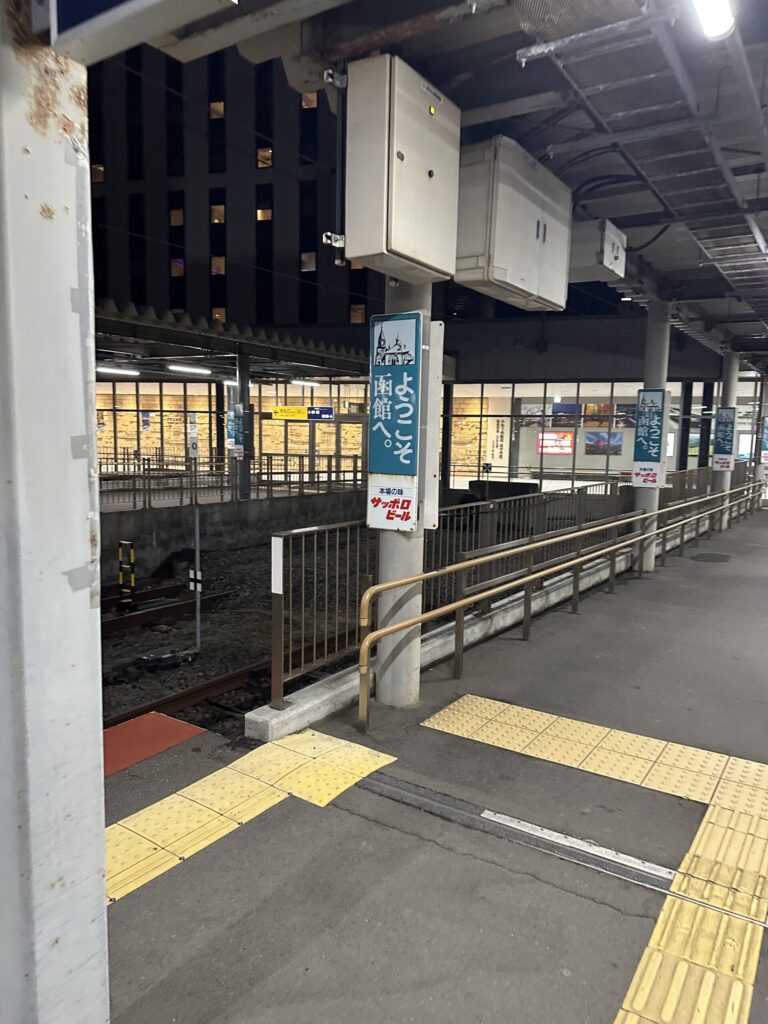
Would a second pass have saved me? Not quite
The two out-of-window days, 15 and 23 April, are eight days apart — and a 7-day pass covers seven consecutive days.
- Start on 15 April → valid to 21 April. 23 April is outside
- Start on 17 April → valid to 23 April. 15 April is outside
Either way, one of the three trains stays uncovered.
What I should have done
Put all your long limited-express days inside one 7-day block.
Had I moved the 15 April Hakodate → Sapporo trip to the 17th or later — or brought the 23 April day trip forward to the 21st — all three trains would have fitted inside a second pass. That week also included a JR return to Roiz Town (¥2,320 for two), so I’d have paid ¥56,000 instead of ¥60,940.
A saving of about ¥5,000 isn’t huge. The real loss is that a second week of unlimited travel would have opened up more trips for the same money. Plan the long train days first, then fit the sightseeing around them — not the other way round.
Checklist before you buy
- ☐ Riding Sapporo ⇔ Hakodate? → Put it inside the pass window
- ☐ Do all your long limited-express days fit within 7 days?
- ☐ If not, can you reorder the itinerary before buying anything?
- ☐ If buying a second pass, check for overlaps and gaps
Where you actually need a car
Some of Hokkaido’s best places are unreachable by rail in any practical sense. Each time I needed a car I used Times Car, a car-sharing service.
Areas where a car is effectively mandatory
- Furano & Biei: the Blue Pond, Shirahige Falls and the viewpoints are painful without one
- Asahidake, Fukiage Onsen and other mountain/hot-spring spots: almost no public transport
- Cape Soya (Wakkanai): buses exist but run rarely; a car saves hours
Every car I used, and what it cost
| Date | Where | Cost |
|---|---|---|
| 6 Apr | Asahikawa (Asahiyama Zoo, Asahidake Ropeway) | ¥7,170 |
| 7–8 Apr | Furano & Biei (2 days) | ¥13,970 |
| 9 Apr | Wakkanai (Cape Soya, Cape Noshappu) | ¥5,130 |
| 13 Apr | Around Hakodate (Onuma Park etc.) | ¥5,470 |
| 17 Apr | Around Sapporo (Lake Shikotsu etc.) | ¥6,540 |
| Total | ¥38,280 |
Times Car rates include fuel and insurance, which is why there’s no fuel line in my budget. A conventional rental is usually returned with a full tank, so add fuel when you compare.
The costs that aren’t on the rental bill: parking
| Where | Parking |
|---|---|
| Blue Pond, Biei | ¥500 (now ¥1,000 for a car, from July 2026) |
| Lake Shikotsu Visitor Center | ¥500 |
Small amounts, but if you budget “car = rental fee only,” the numbers drift. Check whether your destinations charge for parking.
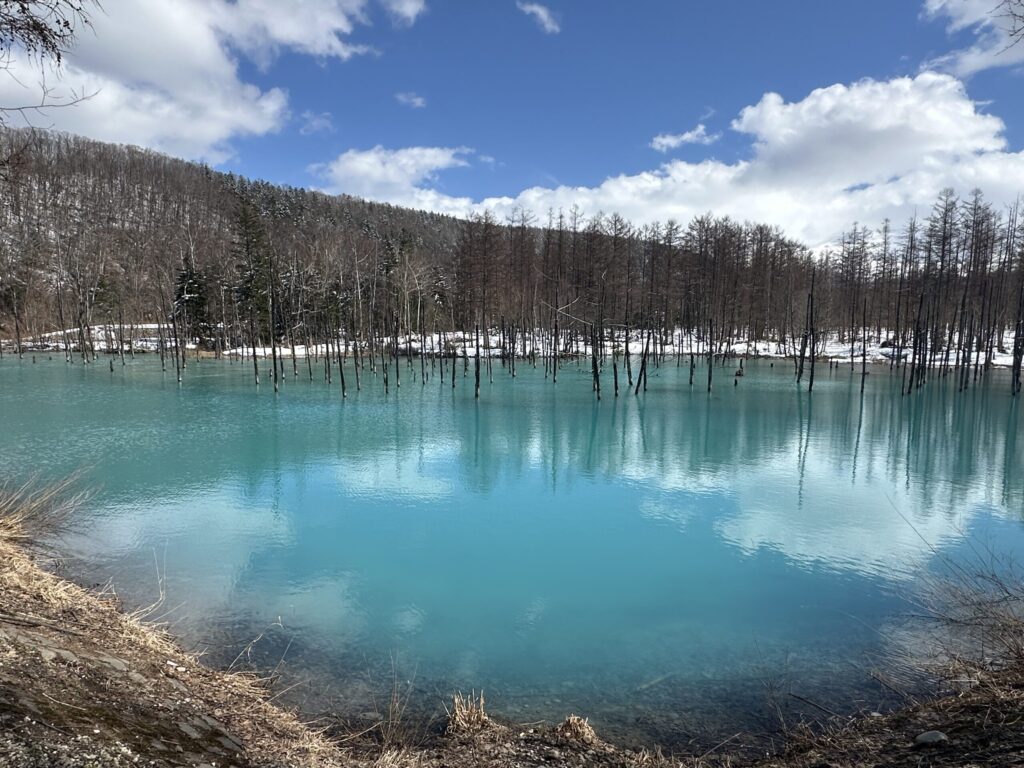
What went wrong: a flat tyre
On 17 April, heading for Lake Shikotsu, the car I’d booked had a flat tyre. We were switched to another car and lost nothing but time — but I’d hate to have found out on a rural road. Check the tyres and the fuel gauge before you set off.
Driving takes more out of you than the clock suggests
- 7 April, Furano & Biei: bumpy roads and rain all afternoon. My partner, who did the driving, was worn out
- 9 April, Wakkanai: the car we got was awkward to drive, and my partner’s leg ached. You don’t always choose the model
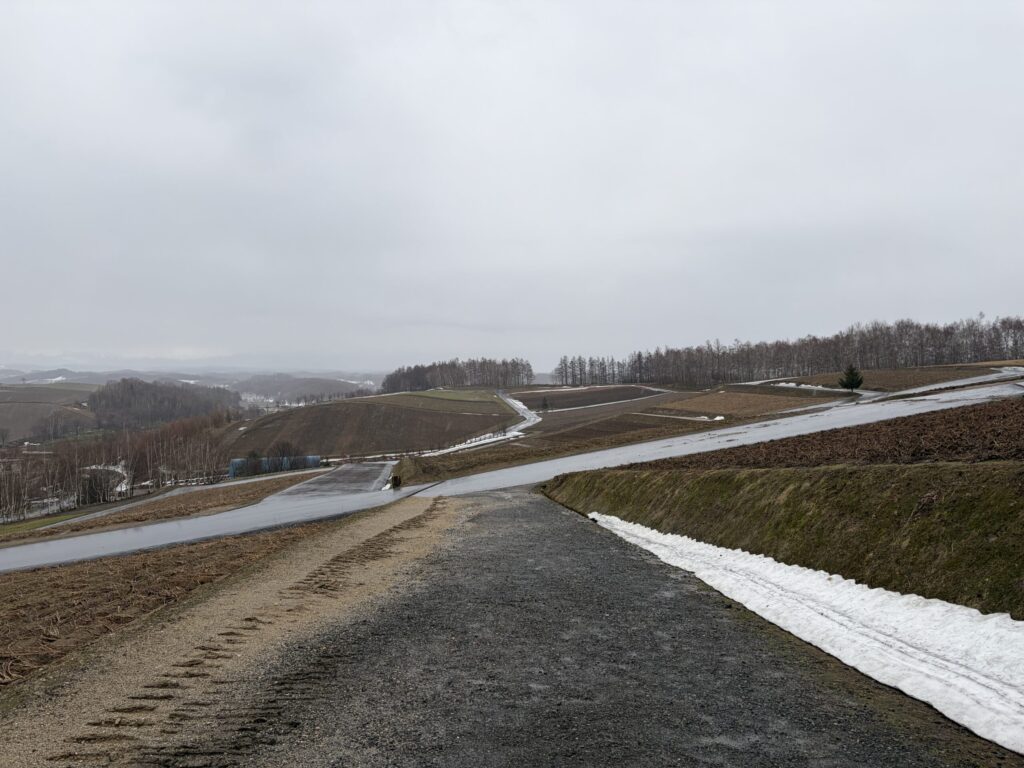
On a limited express, by contrast, you rest the whole way. Wakkanai to Sapporo took about five hours and all we did was sit.
If only one of you drives, that fatigue adds up. Some days, choose the option that tires you least rather than the one that’s cheapest.
Driving in Hokkaido as a visitor: what to arrange first
- International Driving Permit (IDP). Japan recognises IDPs issued under the 1949 Geneva Convention. If your country issues a different type (Switzerland, Germany, France, Belgium, Monaco, Slovenia, Estonia, Taiwan), you’ll need an official Japanese translation of your licence instead. Bring your home licence and your passport too — rental counters check all three
- Traffic drives on the left, and signs on major routes carry English
- Snow and ice. In April, snow was still banked beside the roads in Biei and around Fukiage Onsen, and some mountain roads were closed for winter — we had to take a long detour. Check road closures before you set off
- Car sharing vs rental. Car-sharing services usually require membership in advance; for most overseas visitors a conventional rental counter is simpler
- ETC card for expressway tolls saves fumbling with cash at every gate; ask at the rental counter
My full transport bill (20 days, two people)
| Category | Amount (two people) | Details |
|---|---|---|
| Flights (Narita ⇔ New Chitose, return) | ¥39,540 | Out ¥17,800 / back ¥21,740 |
| Home ⇔ Narita Airport | ¥6,700 | ¥3,350 × 2 |
| New Chitose Airport ⇔ central Sapporo | ¥7,340 | In ¥2,880 / out ¥4,460 |
| Hokkaido Free Pass (7 days) | ¥56,000 | ¥28,000 each |
| Limited expresses outside the pass | ¥58,620 | ¥19,540 × 3 |
| Car sharing (5 times) | ¥38,280 | See table above |
| Noboribetsu Station ⇔ Noboribetsu Onsen | ¥1,800 | ¥900 × 2 |
| Local transport and short JR trips | ¥9,120 | Hakodate buses and trams, Sapporo subway, JR to Roiz Town |
| Total transport | ¥217,400 | ¥108,700 per person |
Seven cities in twenty days: ¥217,400 for two — more than a third of our ¥612,000 trip. Hokkaido distances aren’t what you expect from the rest of Japan; underestimate them and the budget goes. (Parking, ¥1,000, isn’t included.)
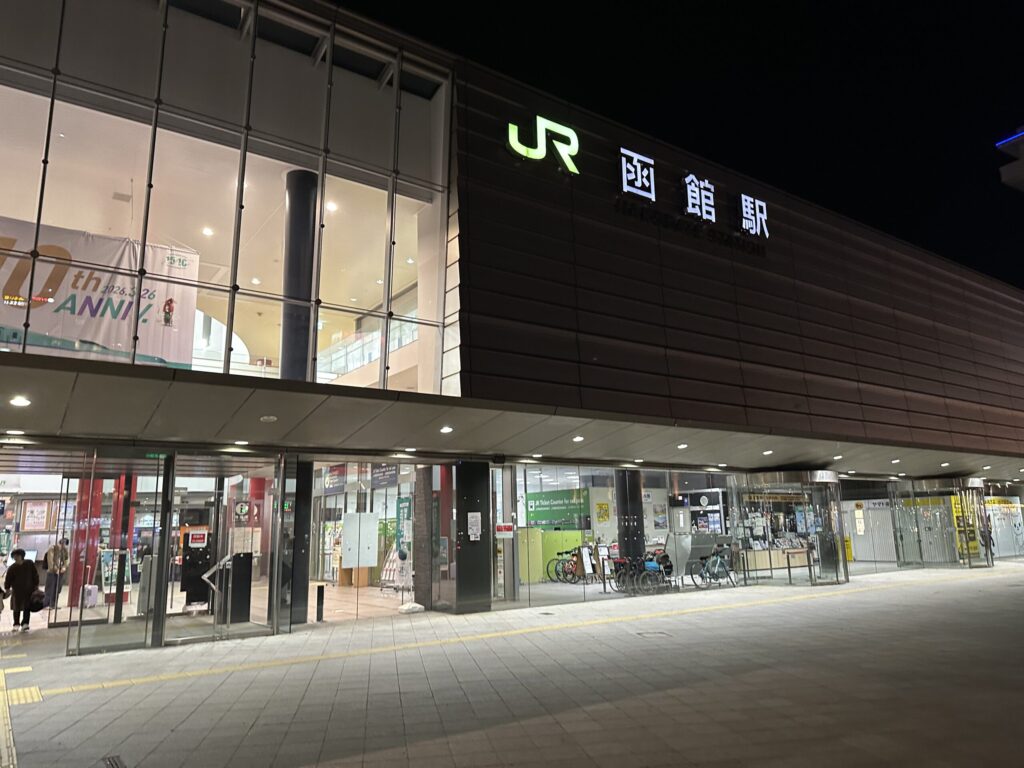
Pick the pattern that matches your trip
1. City-focused tour (Sapporo, Hakodate, Asahikawa) → rail pass first
Use unlimited limited expresses for the long legs and hire a car only on the days you head out of town. This is what I did — just keep the long train days inside the pass window.
2. Nature-focused (Furano/Biei, eastern Hokkaido) → car first
Flower fields, viewpoints and remote onsen simply need a car. Rent for the whole itinerary.
3. Sapporo and Otaru only → no car needed
Subway plus JR covers everything comfortably.
FAQ
Does a 7-day pass really pay for itself?
Yes, if you can fit long limited expresses like Sapporo ⇔ Hakodate or Wakkanai inside the window. Mine covered ¥40,360 of travel per person for ¥28,000. But the three trains I took outside the window cost ¥58,620 for two — it depends entirely on how you order your itinerary.
Can I do Hokkaido with only the train, or only a car?
It depends on the region. Sapporo, Hakodate, Asahikawa and Wakkanai work fine by train. Furano/Biei, Asahidake and Cape Soya are close to impossible by rail. If you want both, combining them is the most efficient.
Car sharing or a normal rental?
Car sharing (Times Car) was handy for us: fuel included, bookable from 15 minutes. For a few hours of sightseeing it’s ideal. For several days in a row or long distances, pack rates and distance charges can make a normal rental cheaper — price both for your hours and kilometres. Overseas visitors will usually find a rental counter easier.
How many reserved seats do I get?
On the domestic Hokkaido Free Pass, six reserved seats (September 2026). I used five, so I was fine — but if you’re moving a lot, decide in advance which trains get the reservations.
Conclusion: use both — and cluster the train days
- Long legs between cities → the pass wins (it saved us about ¥24,700)
- But put every long train day inside the 7-day window (I didn’t, and paid ¥58,620)
- Furano/Biei, mountains, the far north → a car is essential; budget for parking and for the driver’s energy
- Unsure? Combine them: trains for distance, a car by the day for sightseeing
Related guides
- What a 20-Day Hokkaido Trip Really Costs (¥610,000 for two)
- The Complete 20-Day Hokkaido Itinerary: 7 Cities
- Furano & Biei Drive: Blue Pond, Secret Onsen & Cheese Workshops
- Wakkanai Day Trip: Japan’s Northernmost Point, Cape Soya
🏨 Planning where to sleep between legs? Find & compare Hokkaido hotels on Agoda →
Disclosure: affiliate link — we may earn a small commission at no extra cost to you.